The read
Lead forms are often judged as conversion widgets, but the more useful question is what kind of knowledge the submission actually creates for routing, scoring, follow-up, forecasting, and resource allocation.
Game plan
- Define a two-axis model around whether identity is known and whether intent is known.
- Separate the stronger 50 percent state from the weaker 50 percent state so teams do not treat all partial knowledge as equal.
- Connect intake-state quality to data integrity, lead scoring, routing confidence, and staged understanding.
- Package the thinking as a selected output that supports the Signal Mortgage Intake Demo and broader decision-systems positioning.
Final score
The framework gives teams a simple way to classify lead submissions before they overbuild scoring, routing, forecasting, or follow-up around incomplete knowledge.
- The writing package defines four states: identity and intent known, identity known with intent emerging, intent known without identity, and neither signal reliable.
- The article draft connects the framework to progressive profiling, form validation, lead scoring, and resource allocation.
- The model directly supports the Signal Mortgage Intake Demo by giving its borrower-routing logic a clearer strategic foundation.
What it is
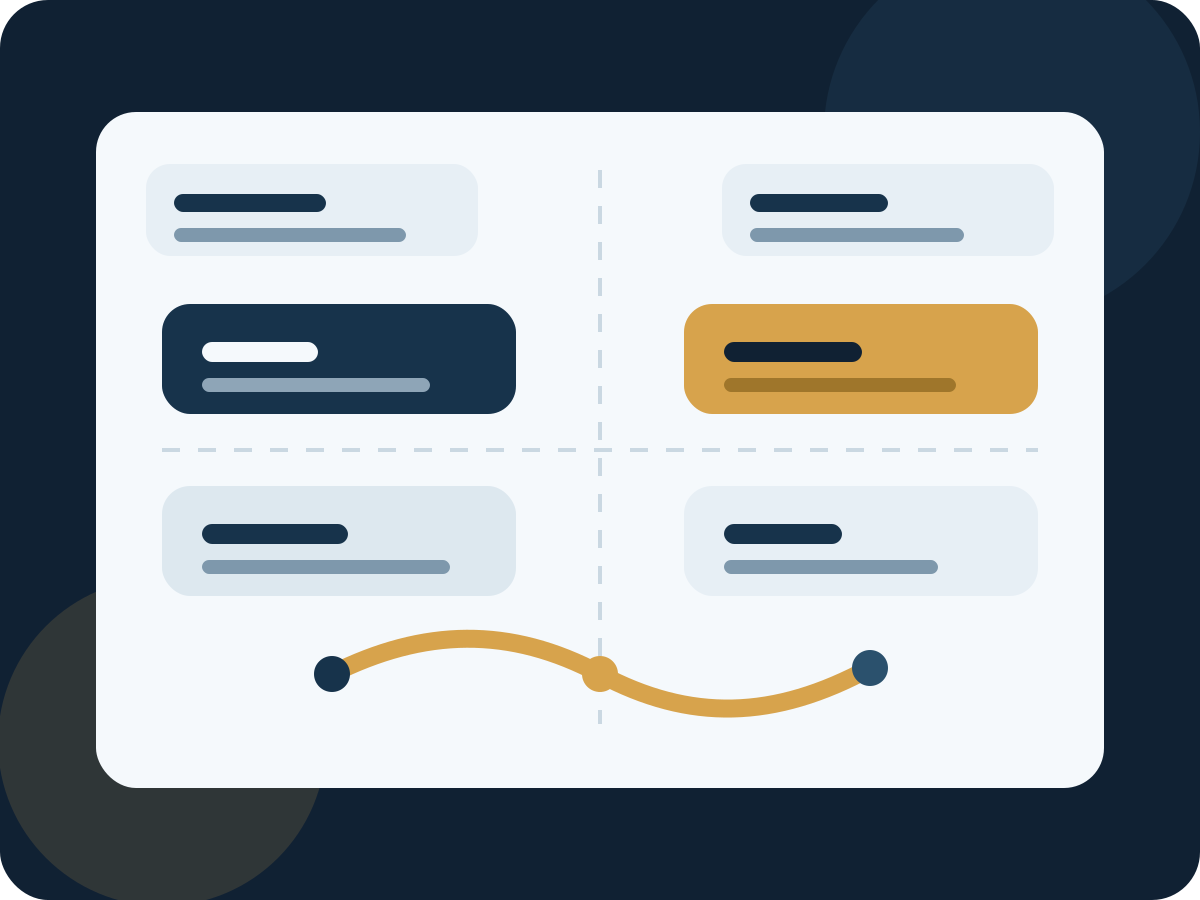
The Four Lead Intake Experiences is a thinking artifact about what a lead form actually creates. Instead of treating every form submission as one generic conversion event, the framework asks a more useful question: what do we know after someone submits?
The model separates lead intake into four states:
- The 100 percent experience: identity and intent are both known.
- The stronger 50 percent experience: identity is known, while intent is still emerging.
- The weaker 50 percent experience: intent is visible, but identity is missing.
- The 0 percent experience: neither identity nor intent is reliable enough to support confident decisions.
Why the distinction matters
The two 50 percent states look symmetrical on paper, but they behave differently in a real operating system. If identity is known, the team can deduplicate, enrich, follow up, attribute future behavior, and learn over time. If only intent is known, the signal may still be useful, but it is harder to stitch forward.
That difference changes the confidence a team should place in scoring, routing, personalization, forecasting, and labor allocation.
How it connects to the portfolio
This writing supports the same logic behind the Signal Mortgage Intake Demo. The demo makes borrower entry states tangible; this framework explains why those states matter before the interface, CRM logic, or handoff rules get built.
It also shows a broader pattern in my work: a lot of what looks like a conversion problem or a data problem is actually an intake-state problem. Better decisions start by naming what the system truly knows.
What it helped clarify
- Lead forms are intake infrastructure, not just UX surfaces.
- Identity-known and intent-known are different kinds of knowledge.
- Predictive and routing systems inherit the weakness of the intake layer.
- The strongest first move is not always the longest form.
- Staged understanding can be better than premature certainty.